
Questions
How Do I Say 'I Love You' in a Dog? Learn Your Pet's Love Language
You say 'I love you' to a dog through calm eye contact, gentle touch, a soft tone, and shared activities. Dogs understand love through actions, not words. Learn the specific gestures that speak their language.
How Your Dog Says 'I Love You' Without Words
Dogs don't have a spoken language, but they communicate affection through a rich vocabulary of body signals. A tail wag that involves the whole body, licking your hands or face, and a soft gaze with relaxed eyes are all canine equivalents of 'I love you.' When your dog leans into you, brings you a toy, or follows you from room to room, they're expressing attachment in the most direct way they know.
One of the most powerful signs is the play bow—front legs stretched out, rear end up. This is an invitation to engage and a sign of trust. Similarly, a dog that rolls over to show their belly is offering vulnerability, a deep sign of affection. Eye contact with slow blinking is another bonding signal; when your dog holds your gaze and then looks away softly, they're mirroring the same 'love hormone' (oxytocin) release that human mothers experience with their babies.
Recognizing these behaviors helps you feel reassured and deepens your bond. If you're unsure whether your dog is showing love or just being playful, watch for the context: a relaxed body, a gentle approach, and a soft expression are consistent with affection. Over time, you'll learn your dog's unique love language—and you can respond in kind.
How to Say 'I Love You' in Dog Language: 7 Simple Ways
- Use a soft, warm voice. Dogs respond to tone more than words. Say 'I love you' in a gentle, high-pitched voice while petting them—they'll associate the sound with positive attention.
- Give a gentle massage. Rub their ears, chest, and back in slow circles. This releases oxytocin in both of you, reinforcing your bond.
- Make calm eye contact. Look at your dog with relaxed eyes and blink slowly. This mimics the 'soft gaze' dogs use to show trust and affection.
- Engage in play. A game of fetch or tug-of-war is a shared activity that builds connection. Use the play bow to initiate—it's an invitation your dog understands.
- Offer a safe chew or treat. Giving a treat is a direct way to show care, but make sure it's healthy and appropriate for your dog's size and dietary needs.
- Take a sniffing walk. Let your dog stop and sniff along the way—this is their way of exploring the world. Allowing it shows respect for their needs.
- Cuddle on their terms. Some dogs love to snuggle; others prefer to be near you without full contact. Respect their comfort zone to build trust.
These actions speak louder than any phrase. Try them consistently, and you'll see your dog's affection grow.
Everyday Gestures That Tell Your Dog 'I Love You'
| Gesture | What It Communicates | Best Time to Use |
|---|---|---|
| Soft gaze | Trust and affection | Quiet moments together |
| Gentle petting | Comfort and bonding | After a walk or during relaxation |
| Play bow and fetch | Joy and engagement | When your dog is energetic |
| Snuggling | Security and closeness | Evenings or when your dog seeks contact |
| Treats (healthy) | Care and reward | During training or as a special treat |
| Sniffing walks | Respect for their instincts | Daily walks |
Choose the gestures that fit your dog's personality. A shy dog may prefer gentle petting over a boisterous game, while a high-energy dog thrives on play. The key is consistency—daily small acts of love build a stronger bond than occasional grand gestures.
Do Dogs Understand When You Say 'I Love You'?
Yes, dogs understand the emotion behind 'I love you' even if they don't grasp the literal words. Research shows that dogs process human vocal tones and body language, and they respond to the warmth in your voice. When you say 'I love you' with a soft, happy tone, your dog associates it with positive experiences, like petting or treats, and feels loved.
Dogs also read your emotional state through your face and posture. A relaxed, smiling face and open body language signal safety and affection. So, while the phrase itself may not be in their vocabulary, the feeling is absolutely communicated.
Directions to our animal hospital in Berkeley from UC Berkeley Extension
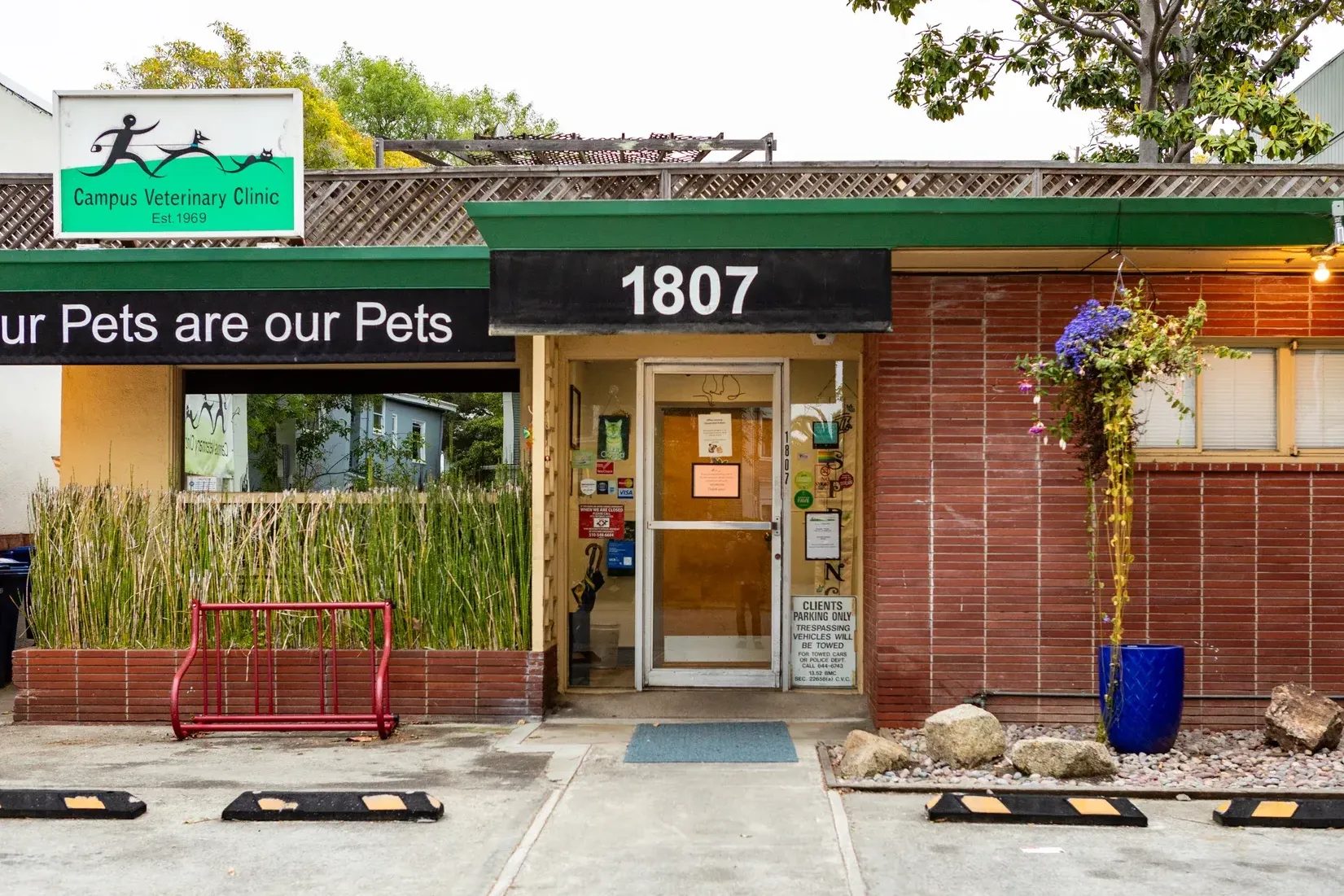
Start at UC Berkeley Extension and head to Campus Veterinary Clinic at 1807 Martin Luther King Jr Way, Berkeley, CA 94709.
Funny Ways to Say 'I Love You' in Dog Language
A good fit if…
- You enjoy lighthearted content and sharing laughs with fellow dog lovers.
- You want to see creative, viral interpretations of dog affection.
- You're looking for a fun way to bond with your dog through play and humor.
Consider another option if…
- You're seeking serious, science-backed communication methods.
- You prefer practical training over entertainment.
Funny interpretations—like videos of dogs 'talking' or memes about 'dog language'—can bring joy and a sense of community. They don't replace real communication, but they add a playful layer to your relationship. Enjoy them, share them, and let them inspire you to try new ways of showing love.



How Dogs Show Affection to Each Other
Dogs communicate love to each other through body language and social rituals. A play bow is a universal invitation to play, signaling joy and trust. Mutual licking around the mouth is a grooming behavior that strengthens social bonds, often seen in pack members. Tail wagging with a relaxed body indicates friendliness, while cuddling together for warmth and comfort is a sign of deep attachment.
When dogs greet each other, they may sniff and circle—this is their way of exchanging information and showing acceptance. These behaviors are similar to the ways they show affection to humans, which is why understanding them helps you connect better with your own dog.
For details on services and visits, see the main page about animal hospital berkeley.
Sources
Frequently asked questions
How do you say 'I love you' in dog way?
You say it through actions: a soft gaze, gentle petting, and a calm voice. These gestures release oxytocin in both of you, creating a bond that words can't match.
How do I say 'I love you' in dog language?
Use a combination of eye contact, touch, and play. Start with a slow blink and a gentle ear rub, then engage in a game your dog enjoys. Consistency is key.
How to tell your dog to say I love you?
You can't command a dog to say 'I love you,' but you can encourage affectionate behaviors by responding positively when they show them. Reward tail wags, licks, and cuddles with praise and treats.
Do dogs realize they are loved?
Yes, dogs can sense love through your tone, touch, and attention. They form strong emotional attachments and respond to your affection with their own loving behaviors.
How long will a dog remember its owner?
Dogs have excellent long-term memory for people they've bonded with. Even after long separations, they can remember you by scent, voice, and visual cues, often for years.
Also asked as
- How do you say 'I love you' in dog way?
- How do I say 'I love you' in dog language?
- How to tell your dog to say I love you?