
Questions
Oldest Dog Breeds That Live Long: Berkeley Vet's Guide
The oldest dog breeds that live long include Chihuahuas, Toy Poodles, and Australian Cattle Dogs, with lifespans often reaching 15–20 years. Smaller breeds generally outlive larger ones, and genetics, diet, and preventive care play major roles in longevity.
Dog Breeds with the Longest Lifespans: A Berkeley Vet's Top Picks
If you're searching for the oldest dog breeds that live long, you're likely looking for a companion that will be with you for many years. As a Berkeley vet, I've seen that small breeds and a few hardy medium breeds tend to top the longevity charts. Here are some of the longest-lived breeds we commonly see at Campus Veterinary Clinic.
| Breed | Average Lifespan | Size | Why They Live Long |
|---|---|---|---|
| Chihuahua | 14–18 years | Toy | Small body, fewer genetic issues |
| Toy Poodle | 14–18 years | Toy | Low risk of hip dysplasia, active |
| Australian Cattle Dog | 12–16 years | Medium | Hardy working breed, minimal genetic disease |
| Dachshund | 12–16 years | Small | Generally robust, but watch for back issues |
| Beagle | 12–15 years | Small | Fewer breed-specific health problems |
| Shih Tzu | 10–18 years | Toy | Good genetics, low exercise needs |
These breeds often live well into their teens, but individual health varies. If you're in Berkeley or nearby Albany, El Cerrito, or Oakland, our team can help you assess a breed's health risks and set up a preventive care plan.

Average Lifespan by Dog Size: Small, Medium, Large Breeds
Size is one of the strongest predictors of lifespan. Generally, smaller dogs live longer than larger ones. Here's a quick reference to set realistic expectations for your new companion.
| Size Category | Examples | Average Lifespan | Key Health Considerations |
|---|---|---|---|
| Toy/Small | Chihuahua, Toy Poodle, Shih Tzu | 14–18 years | Dental disease, patellar luxation |
| Medium | Australian Cattle Dog, Beagle | 12–15 years | Hip dysplasia, obesity |
| Large | Labrador Retriever, German Shepherd | 10–12 years | Joint issues, heart disease |
| Giant | Great Dane, Mastiff | 8–10 years | Bloat, cardiomyopathy |
These are averages, not guarantees. At Campus Veterinary Clinic, we see many small dogs in Berkeley thriving past 15, and some larger breeds beating the odds with excellent care.
Beyond Breed: Key Factors That Help Your Dog Live Longer
Breed matters, but day-to-day care often makes the biggest difference. Here are actionable steps every Berkeley dog owner can take.
- Feed a balanced, age-appropriate diet. Quality nutrition tailored to your dog's size, age, and health status supports every system in the body.
- Keep your dog at a healthy weight. Excess weight strains joints, organs, and metabolism, shortening lifespan significantly.
- Provide regular, moderate exercise. Daily walks and play keep the heart strong, joints mobile, and mental health sharp.
- Stay current on preventive veterinary care. Annual exams, vaccinations, parasite control, and dental cleanings catch problems early.
- Spay or neuter at the recommended age. This reduces cancer risks and prevents life-threatening infections.
- Minimize stress and provide enrichment. A predictable routine, positive training, and social interaction keep cortisol levels low and quality of life high.
For deeper guidance on aging pets, see our Senior Dog Care in Berkeley: A Complete Guide for Aging Pets.
Finding a Healthy Puppy in Berkeley: Tips from Campus Veterinary Clinic
Ready to bring home a long-lived breed? Here's how to find a healthy puppy in Berkeley and the surrounding areas.
- Research breeds — Choose a breed that fits your lifestyle and has a history of longevity, like a Chihuahua or Toy Poodle.
- Find a responsible breeder — Look for breeders who perform health screenings on parents, provide health guarantees, and allow you to visit.
- Consider rescue — Check local shelters in Berkeley, Oakland, and Richmond; many purebreds and mixes end up in rescues.
- Ask for vet records — Request vaccination history and any health clearances before committing.
- Schedule a vet exam — Bring your new puppy to Campus Veterinary Clinic within the first week for a thorough checkup and to discuss preventive care.
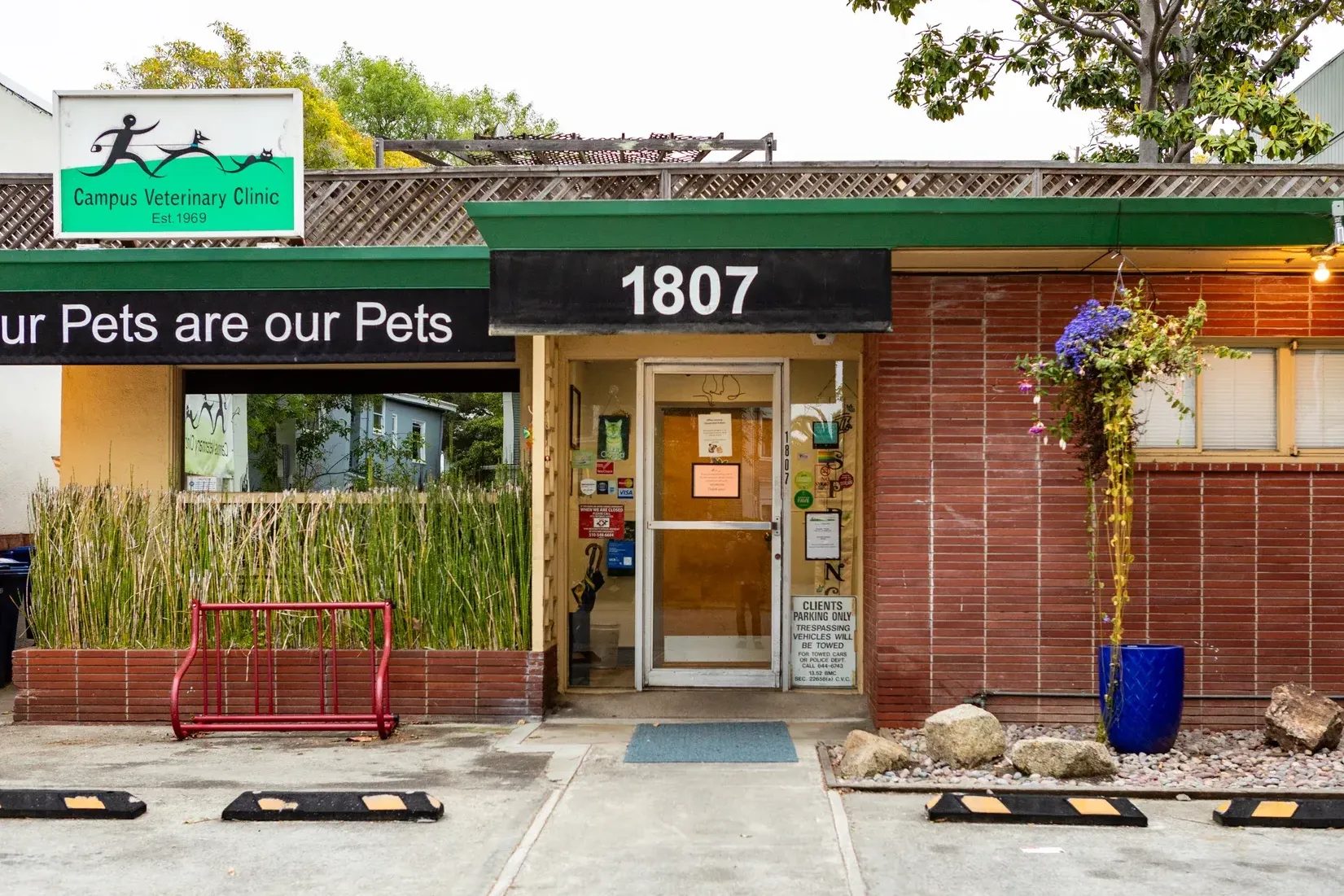
We offer a free first exam for new clients, so you can get expert guidance without upfront cost. Call us at (510) 549-1252 or visit us at 1807 Martin Luther King Jr Way in Berkeley.
For details on services and visits, see the main page about animal hospital berkeley.
Directions to our animal hospital in Berkeley from UC Berkeley College of Natural Resources
Start at UC Berkeley College of Natural Resources and head to Campus Veterinary Clinic at 1807 Martin Luther King Jr Way, Berkeley, CA 94709.
Sources
Frequently asked questions
What is the oldest dog breed that lives the longest?
While individual records vary, Chihuahuas and Toy Poodles are among the oldest dog breeds that live long, often reaching 18 years or more. Australian Cattle Dogs are also notable for their longevity, with some living into their late teens.
Do small dogs really live longer than large dogs?
Yes, on average, small breeds live 2–5 years longer than large breeds. This is partly due to slower aging processes and fewer joint and heart issues, but genetics and care play significant roles.
How can I increase my dog's chances of living a long life?
Provide regular vet checkups, a balanced diet, daily exercise, dental care, and maintain a healthy weight. Avoid overfeeding and stay on top of preventive treatments like vaccinations and parasite control.
Are mixed-breed dogs longer-lived than purebreds?
Mixed-breed dogs often have fewer inherited health problems, which can contribute to longer lifespans. However, a well-bred purebred from a responsible breeder can also live a long, healthy life.
Also asked as
- Which dog breeds have the longest lifespan?
- What is the average lifespan of a dog by size?
- How can I find a healthy puppy from a long-lived breed?