
Questions
Senior Dog Care in Berkeley: A Complete Guide for Aging Pets
Senior dog care in Berkeley means adapting to your dog's changing needs: adjusting diet and exercise for the hills, scheduling regular wellness exams, and knowing which symptoms warrant a vet visit. Campus Veterinary Clinic offers comprehensive senior dog services to keep your companion comfortable and healthy.
Understanding Senior Dog Care Needs in Berkeley
As your dog enters their senior years (typically over 7), their needs change. In Berkeley's mild climate and hilly terrain, focus on these steps to keep them comfortable and healthy.
- Schedule a senior wellness exam — Twice-yearly checkups let us catch age-related issues early, from arthritis to dental disease.
- Adjust exercise for Berkeley's hills — Shorter, flatter walks on soft surfaces (like Ohlone Park's grass) protect aging joints. Avoid steep inclines that strain hips and knees.
- Monitor weight and diet — Senior dogs often need fewer calories and more joint-supporting nutrients. We can recommend a diet tailored to your dog's breed and activity level.
- Watch for subtle changes — Slowing down, stiffness after rest, or changes in appetite can signal pain or illness. Track any shifts and mention them at your next visit.
- Protect paws on hot pavement — Even in Berkeley's mild summers, asphalt can burn sensitive senior paw pads. Walk early or late, and stick to shaded paths.



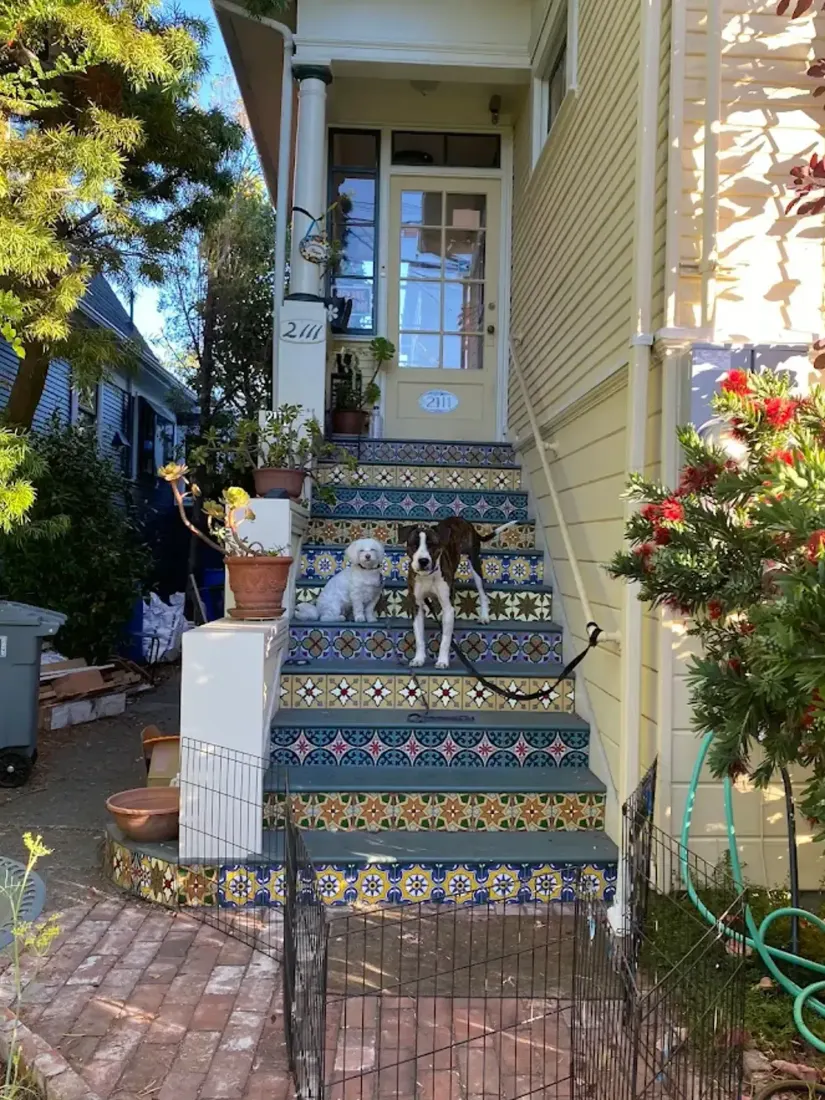
Adjusting Diet and Exercise for Senior Dogs in Berkeley's Terrain
Berkeley's hills and mild weather mean your senior dog may want to walk more than they should. Adjusting their routine is key to keeping them active without causing injury.
A good fit if…
- Your dog is over 7 years old and shows signs of slowing down.
- You notice stiffness after walks on hills.
- Your dog has gained or lost weight recently.
Consider another option if…
- Your dog has a chronic condition like heart disease or arthritis that requires a specific diet.
- You're unsure about the right exercise intensity; a vet can guide you.
Start by switching to a senior-specific dog food that's lower in calories and higher in fiber. For exercise, choose flat routes like Ohlone Park instead of the Berkeley Hills. Break walks into 10–15 minute sessions. Always consult your vet before making major changes.
Senior Dog Wellness Services at Campus Veterinary Clinic
At Campus Veterinary Clinic, we offer a range of services tailored to senior dogs, from preventive care to chronic condition management. Our team has served Berkeley since 1969, and we're here to support your aging companion.
- Call us: Reach us at (510) 549-1252 to schedule a senior wellness exam.
- Visit our clinic: We're located at 1807 Martin Luther King Jr Way, Berkeley, CA 94709, open Mon–Fri 7 AM–6 PM.
- Comprehensive exam: We'll assess your dog's mobility, weight, teeth, heart, and more.
- Senior bloodwork: We recommend blood panels to check organ function and detect issues early.
- Dental care: Dental disease is common in seniors; we offer cleanings and check-ups.
- Ongoing support: We'll create a care plan for diet, exercise, and any medications.
When to Worry: Senior Dog Symptoms vs. Normal Aging
It's normal for senior dogs to slow down, but some signs indicate a problem. Knowing the difference can help you decide when to call us.
A good fit if…
- Your dog has gradual vision or hearing loss—normal aging.
- Your dog sleeps more but still enjoys activities.
- Your dog has mild stiffness that improves with rest.
Consider another option if…
- Your dog suddenly stops eating or drinking.
- You notice rapid weight loss or gain.
- Your dog has difficulty breathing, persistent coughing, or collapses.
- Your dog shows signs of pain like whimpering, restlessness, or aggression.
Trust your instincts. If something seems off, it's better to call us for advice. Early detection can make a big difference. For more on pain signs, see our guide on 7 signs your dog is in pain.
For details on services and visits, see the main page about animal hospital berkeley.
Directions to our animal hospital in Berkeley from Triple Rock Brewery and Alehouse
Start at Triple Rock Brewery and Alehouse and head to Campus Veterinary Clinic at 1807 Martin Luther King Jr Way, Berkeley, CA 94709.
Sources
Frequently asked questions
How often should my senior dog see the vet?
We recommend every six months for senior dogs. Regular check-ups help catch issues like kidney disease or diabetes early, when they're more manageable.
What is included in a senior dog blood panel?
A typical senior blood panel checks red and white blood cells, kidney and liver function, blood sugar, and electrolytes. It can reveal hidden conditions before symptoms appear. Learn more about [[page:what-does-a-senior-dog-blood-panel-include|what's in a senior blood panel]].
Does Campus Veterinary Clinic accept new senior dog patients?
Yes, we welcome new patients. New clients receive a free first exam (terms apply). Call us at (510) 549-1252 to book an appointment.
What payment options are available for senior dog care?
We accept cash, checks, debit, and major credit cards, as well as CareCredit. If cost is a concern, we can discuss options. See our guide on [[page:how-to-pay-for-vet-bills-with-no-money|paying for vet bills]].
Also asked as
- How to care for an older dog in Berkeley
- What do senior dogs need in Berkeley?
- Senior dog health care tips Berkeley