
Questions
What Does a Senior Dog Blood Panel Include?
A senior dog blood panel typically includes a complete blood count (CBC), a blood chemistry panel (liver, kidney, electrolytes, protein), and often a thyroid test. These tests screen for common age-related conditions like kidney disease, diabetes, and thyroid disorders, helping catch problems early.
Components of a Senior Dog Blood Panel
A senior dog blood panel is a suite of tests that gives your vet a snapshot of your dog's internal health. Here's what it typically includes:
| Test | What It Checks | Why It Matters for Seniors |
|---|---|---|
| Complete Blood Count (CBC) | Red blood cells, white blood cells, platelets | Detects anemia, infection, inflammation, and clotting problems. |
| Blood Chemistry Panel | Liver enzymes (ALT, ALP), kidney values (BUN, creatinine), glucose, protein, electrolytes | Screens for liver disease, kidney disease, diabetes, and electrolyte imbalances. |
| Thyroid Test (T4) | Thyroid hormone level | Hypothyroidism is common in older dogs and can cause weight gain, lethargy, and skin issues. |
| Electrolytes (sodium, potassium, chloride) | Mineral balance in the blood | Abnormalities can indicate dehydration, kidney issues, or endocrine disorders. |
| Additional tests (optional) | Urinalysis, blood pressure, X-rays | May be recommended based on exam findings or symptoms. |
Some clinics offer a "senior panel" that bundles these tests together. At Campus Veterinary Clinic, we tailor the panel to your dog's breed, age, and health history.


Why Senior Dogs Need These Blood Tests
As dogs age, their organs naturally wear down. A senior blood panel helps catch problems early, often before symptoms appear. For example, kidney disease is common in older dogs, and blood tests can detect it months before your dog shows signs like increased thirst or weight loss.
The Complete Blood Count (CBC) can reveal anemia, which might be caused by chronic disease or cancer. The chemistry panel checks liver and kidney function, and the thyroid test screens for hypothyroidism, which is treatable. Catching these issues early can lead to better outcomes and a better quality of life.
According to the American Veterinary Medical Association (AVMA), regular bloodwork is a cornerstone of preventive care for senior pets. At our Berkeley animal hospital, we recommend blood panels as part of a comprehensive senior wellness exam.
How Often Should Senior Dogs Get Bloodwork?
The frequency depends on your dog's health status, but most vets follow the American Animal Hospital Association (AAHA) guidelines. Here's a general schedule:
- Healthy senior dogs (7+ years): Annual bloodwork is recommended to establish a baseline and monitor changes.
- Dogs with chronic conditions: Every 6 months or as directed by your vet to manage conditions like diabetes or kidney disease.
- Dogs on long-term medications: Regular bloodwork (every 6–12 months) to monitor liver and kidney function.
- Before anesthesia or surgery: A blood panel is often required to ensure your dog is safe for the procedure.
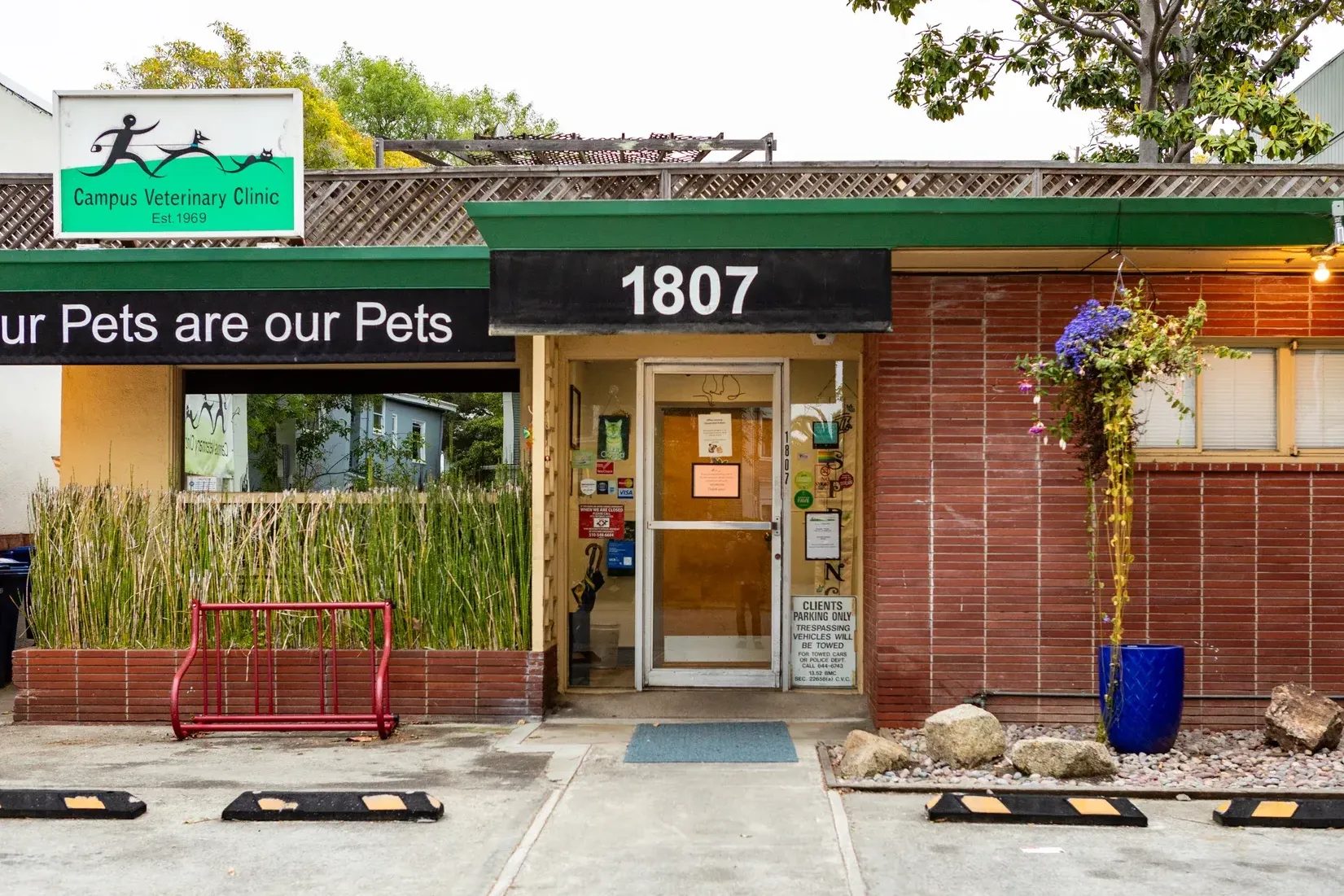
If you're unsure, call us at (510) 549-1252 to discuss your dog's specific needs. We're located at 1807 Martin Luther King Jr Way in Berkeley, and we're open Monday through Friday, 7 AM to 6 PM.
Directions to our animal hospital in Berkeley from Revival Bar and Kitchen
Start at Revival Bar and Kitchen and head to Campus Veterinary Clinic at 1807 Martin Luther King Jr Way, Berkeley, CA 94709.
Sources
Frequently asked questions
Does a senior dog blood panel require fasting?
Yes, most vets recommend fasting for 8–12 hours before bloodwork to get accurate glucose and lipid levels. Always confirm with your vet, as some tests don't require fasting.
Can a blood panel detect cancer in dogs?
A blood panel can show signs that may suggest cancer, such as elevated white blood cells or abnormal proteins, but it's not a definitive cancer test. Additional diagnostics like imaging or biopsies are needed for a diagnosis.
What is the difference between a CBC and a chemistry panel?
A CBC (complete blood count) evaluates the cells in the blood, including red and white blood cells and platelets. A chemistry panel measures organ function and electrolytes, like liver and kidney values. Both are essential for a full picture of your dog's health.
Are there alternatives to a full blood panel for senior dogs?
Some clinics offer abbreviated panels, but they may miss important health issues. A full panel is more comprehensive and is the best way to screen for age-related diseases. Discuss your options with your vet.
Also asked as
- What blood tests are done on senior dogs?
- What is included in a full blood panel for dogs?
- What does a geriatric dog blood panel include?