
Questions
What if I can't afford an emergency vet?
If you can't afford an emergency vet, call the clinic immediately, explain your situation, and ask about payment plans, CareCredit, or a Good Samaritan form. Some nonprofits and low-cost clinics also help. Never delay care—vets can often work with you.
What if I can't afford an emergency vet? Your first steps
- Call the vet immediately — Don't wait. Call us at (510) 549-1252 or another local clinic. Explain your pet's symptoms and your financial situation. Vets are used to this and can often suggest options before you even come in.
- Ask about a payment plan — Many clinics, including ours, offer in-house payment plans or can direct you to third-party financing. It never hurts to ask.
- Request a Good Samaritan form — Some clinics have this form that allows them to provide emergency care at reduced cost or no cost, especially if your pet's life is at risk. Ask if they have one.
- Explore low-cost clinics — Search for low-cost vet clinics or veterinary colleges in Berkeley, Oakland, or Richmond. These often charge significantly less for emergency services.
- Consider charity help — Organizations like RedRover provide grants for emergency vet bills. Apply as soon as possible, as funds are limited.
- Be honest with your vet — Tell your vet exactly what you can afford. They can tailor treatment plans to fit your budget, prioritizing the most critical care.



Payment plans and financing for emergency vet care
If you can't pay the full bill upfront, several options can help you spread the cost. Here's a quick comparison:
| Option | How it works | Pros | Cons |
|---|---|---|---|
| In-house payment plans | Clinic sets up a schedule for you to pay over time. | No credit check; flexible terms. | Not all clinics offer this; may require a deposit. |
| CareCredit | Medical credit card with promotional financing. | Widely accepted; interest-free periods. | Requires credit approval; high interest after promo. |
| ScratchPay | Vet-specific financing with monthly plans. | Designed for pet care; various plans. | Interest rates vary; approval depends on credit. |
| Personal loans | Bank or online loan for the bill amount. | Can cover large sums. | Interest and fees; may take time to fund. |
| Credit cards | Use existing card or apply for a new one. | Immediate; rewards possible. | High interest if not paid quickly. |
Ask your vet which options they accept. At Campus Veterinary Clinic, we accept CareCredit and can discuss payment arrangements. For more on payment plans, see our guide to vet bill payment plans.
Finding free or low-cost emergency vet clinics
- Check local low-cost clinics — Search for low-cost vet clinics in Berkeley, Albany, or Emeryville. Some offer reduced rates for emergency visits.
- Contact veterinary colleges — UC Davis and other veterinary schools often have teaching hospitals with lower fees. They provide advanced care at a fraction of the cost.
- Call animal shelters — Some shelters run low-cost clinics or can refer you to affordable resources in Oakland or Richmond.
- Ask your regular vet — We can often provide emergency care at a lower cost than a 24-hour ER, or refer you to a more affordable option.
- Use online directories — Websites like the AVMA's directory can help you find low-cost clinics nearby.
If you're in Berkeley, call us at (510) 549-1252—we may be able to help or point you to a resource. For more local options, see low-cost vet care in Berkeley.
How to talk to your vet about your financial situation
- Be upfront — At the start of the visit, say, "I'm worried about costs. Can we discuss options?" Vets appreciate honesty.
- Ask for a written estimate — Request an itemized estimate before treatment. This helps you decide what's essential.
- Prioritize care — Ask which treatments are urgent and which can wait. Your vet can focus on the most critical.
- Inquire about alternatives — Ask if there are less expensive but still effective options, like generic medications or outpatient care.
- Discuss payment options — Ask about payment plans, CareCredit, or if they accept ScratchPay. Many clinics are flexible.
Remember, vets want to help. We're not here to judge—we're here to care for your pet. For more tips, see how to get a discount at a Berkeley vet.
Directions to our animal hospital in Berkeley from UC Berkeley College of Natural Resources
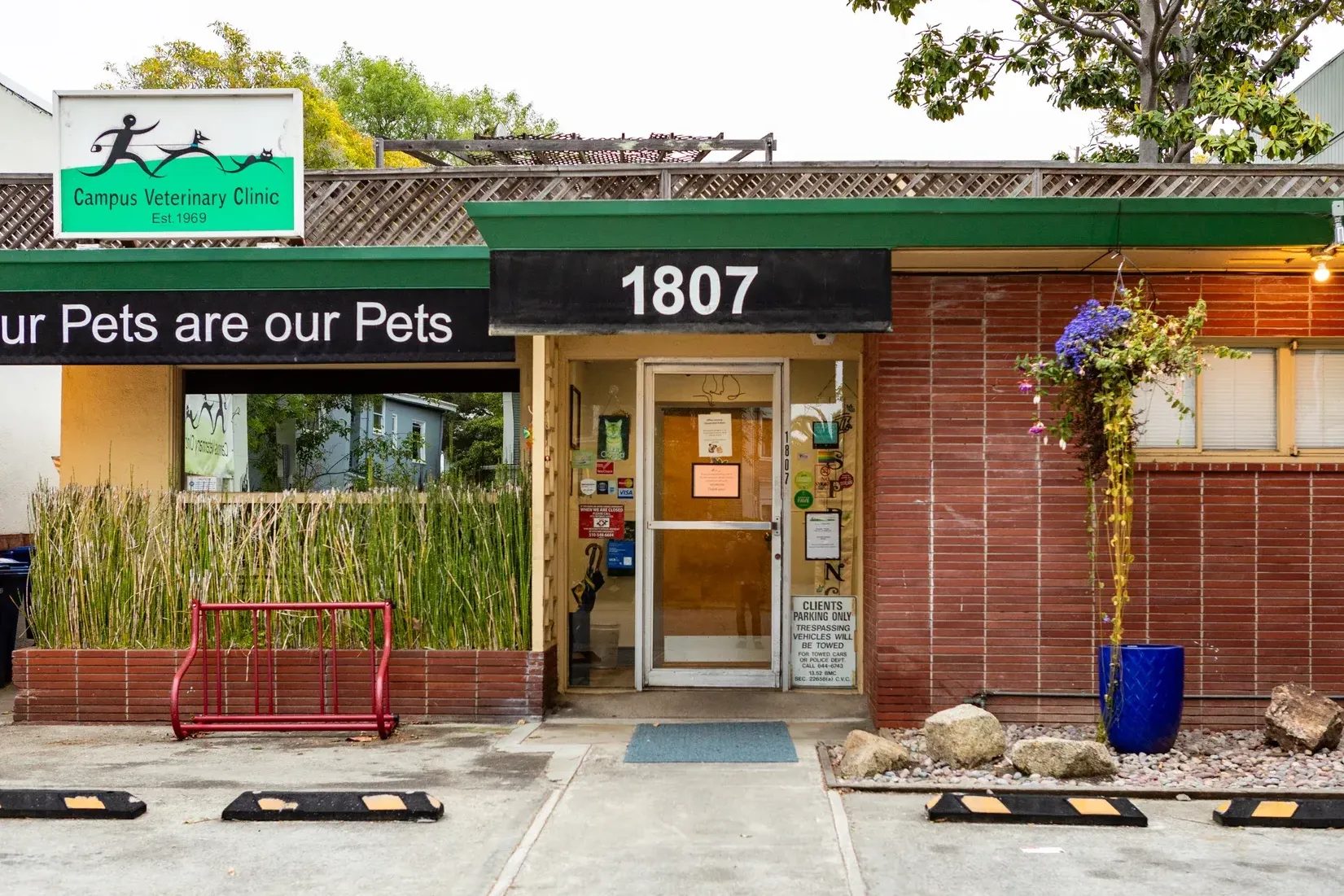
Start at UC Berkeley College of Natural Resources and head to Campus Veterinary Clinic at 1807 Martin Luther King Jr Way, Berkeley, CA 94709.
Grants and charity programs for emergency vet bills
- Apply to RedRover — RedRover provides almost 700 grants every year to help with emergency vet costs. Visit their website to apply.
- Check local nonprofits — Some animal welfare organizations in Berkeley or Oakland offer financial assistance. Call them to ask.
- Ask your vet about charity care — Some clinics have funds or partnerships with charities. We can sometimes connect you with resources.
- Look into breed-specific rescues — If you have a purebred, breed-specific rescue groups may offer assistance.
- Consider crowdfunding — While not a grant, platforms like GoFundMe can help raise funds quickly. Share your story on social media.
These options vary in availability and requirements. It's best to apply early. For more help, see how to pay for vet bills with no money.
What happens if you can't afford emergency vet treatment?
If you truly cannot afford treatment, the vet will discuss all options with you. In some cases, they may provide palliative care to keep your pet comfortable. If the condition is life-threatening and untreatable within your budget, euthanasia may be the humane choice to prevent suffering.
You can also consider surrendering your pet to a rescue or shelter, though this is a difficult decision. Some clinics have Good Samaritan policies that allow them to treat animals in immediate danger without full payment. Always talk to your vet—they will help you make the best decision for your pet and your situation.
Preparing for future vet costs: insurance and savings
To avoid future financial crises, plan ahead. Here's a comparison of strategies:
| Strategy | How it works | Pros | Cons |
|---|---|---|---|
| Pet insurance | Monthly premium covers part of vet bills. | Helps with unexpected emergencies. | Premiums increase with age; pre-existing conditions not covered. |
| Savings account | Set aside money each month for pet care. | No interest; always available. | May not cover large bills. |
| CareCredit | Use as a backup for emergencies. | Immediate credit line. | Interest if not paid in promo period. |
| Wellness plans | Monthly fee covers routine care. | Spreads costs; includes preventive care. | Doesn't cover emergencies. |
Consider pet insurance for peace of mind. For more, see benefits of pet insurance.
For details on services and visits, see the main page about animal hospital berkeley.
Sources
Frequently asked questions
Can I go to the vet if I don't have money?
Yes, you can go. Vets will not turn away an animal in distress. Explain your financial situation and ask about payment plans, charity care, or a Good Samaritan form.
Will vets let you pay in installments?
Many vets offer in-house payment plans, especially for established clients. Others use third-party financing like CareCredit or ScratchPay. Always ask.
What if I can't afford IVDD surgery for my dog?
IVDD surgery is costly. Discuss conservative treatment options with your vet, ask about payment plans, and look into grants from organizations like RedRover.
My dog is very sick and I can't afford a veterinarian. What can I do?
Call local low-cost clinics, veterinary colleges, or animal shelters. Be honest with your vet—they may offer reduced-cost care or refer you to resources.
Also asked as
- Can I go to the vet if I don't have money?
- Will vets let you pay in installments?
- What if my dog has an emergency and I have no money?