
Questions
What Foods Are Good for Dogs? A Vet's Guide
Good dog foods include high-quality commercial kibble or wet food, plus safe human foods like chicken, carrots, apples, salmon, pumpkin, and blueberries. Avoid toxic items like chocolate, grapes, and onions. For personalized advice, consult your vet.
Saving Money on Dog Food: Deals and Assistance
Feeding your dog well doesn't have to break the bank. Whether you're in Berkeley, Albany, or Oakland, there are practical ways to cut costs without sacrificing nutrition.
| Factor | Why It Matters | Typical Range (General) |
|---|---|---|
| Food type (kibble vs. wet) | Dry kibble is usually more cost-effective per meal than wet food. | Kibble costs less per serving; wet food is pricier but can be used as a topper. |
| Brand quality | Higher-quality brands may cost more upfront but often require smaller portions. | Varies widely; mid-range to premium brands offer good value. |
| Buying in bulk | Larger bags or cases often reduce the per-pound cost. | Savings of 10–20% are common with bulk purchases. |
| Subscription services | Auto-delivery plans sometimes offer discounts or free shipping. | Typically 5–15% off regular prices. |
| Assistance programs | Local shelters and food banks occasionally provide pet food. | Free or low-cost; availability varies by location. |
To get a free bag of dog food, check with local rescue groups or community pet pantries—many offer occasional giveaways. EBT is generally not accepted for pet food, but some programs may help. For more ways to manage pet costs, see how to pay for vet bills with no money.



Choosing the Healthiest Diet for Your Dog
The healthiest diet for your dog depends on age, health, and lifestyle. Here's a comparison of common approaches.
| Diet Type | Pros | Cons | Best For |
|---|---|---|---|
| Commercial kibble | Balanced, convenient, affordable | Some contain fillers; quality varies | Most dogs, especially busy owners |
| Wet food | High moisture, palatable | More expensive, shorter shelf life | Picky eaters, dogs with dental issues |
| Homemade diet | Full control of ingredients | Risk of nutritional imbalance if not formulated | Dogs with specific allergies or sensitivities |
| Raw diet | Mimics ancestral diet | Risk of bacterial contamination; requires careful handling | Owners committed to research and prep |
Natural dog foods—those with whole ingredients like chicken, carrots, and salmon—can be excellent, but always check for AAFCO nutritional adequacy statements. For personalized guidance, visit our animal hospital in Berkeley for a nutrition consult.
Safe Human Foods for Dogs: A Quick List
Many human foods are safe and healthy for dogs. Here's a quick reference.
| Food | Safe? | Benefits | Notes |
|---|---|---|---|
| Chicken (cooked, plain) | Yes | Lean protein | No skin, bones, or seasoning |
| Carrots | Yes | Crunchy, low-calorie, good for teeth | Serve raw or cooked, cut into small pieces |
| Apples | Yes | Vitamins A and C, fiber | Remove seeds and core |
| Salmon (cooked) | Yes | Omega-3 fatty acids | Never raw; check for bones |
| Pumpkin (plain, canned) | Yes | Fiber for digestion | Not pumpkin pie filling |
| Blueberries | Yes | Antioxidants | Serve fresh or frozen |
Other safe options include bananas, green beans, and plain rice. For a deeper dive into what to avoid, see our guide on chocolate toxicity in dogs.
Homemade Dog Food: Simple Recipes and Tips
- Consult your vet – Before switching, get a nutritional plan tailored to your dog's needs.
- Choose a protein – Cooked chicken, beef, or turkey are great bases.
- Add vegetables – Carrots, pumpkin, and green beans provide fiber and vitamins.
- Include a carbohydrate – Rice, sweet potato, or oats supply energy.
- Balance with supplements – Calcium and omega-3s are often needed; ask your vet for dosages.
- Prepare in batches – Cook in bulk, portion, and freeze for convenience.
Homemade food can be a healthy option if done correctly. For more on managing your dog's health, check senior dog care tips.
Directions to our animal hospital in Berkeley from Berkeley Community Theater
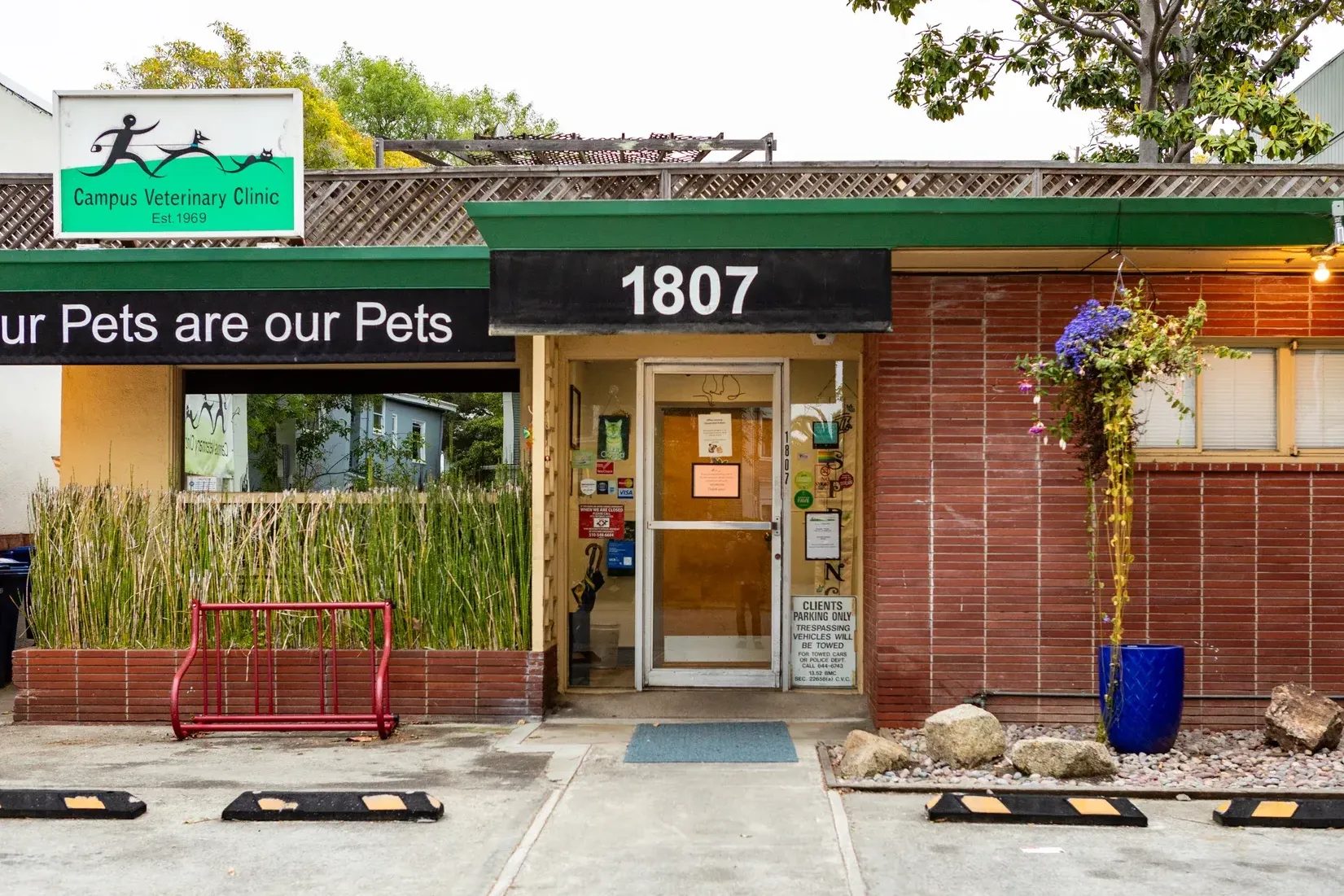
Start at Berkeley Community Theater and head to Campus Veterinary Clinic at 1807 Martin Luther King Jr Way, Berkeley, CA 94709.
Best Dog Foods Recommended by Vets
Vets often recommend brands that meet AAFCO standards and use quality ingredients. Here's a comparison of common types.
| Type | Examples (General) | Key Features | Best For |
|---|---|---|---|
| Dry kibble | Premium brands with named meat first | Convenient, helps clean teeth | Most adult dogs |
| Wet food | Canned options with high moisture | Palatable, hydrating | Picky eaters, seniors |
| Kibble toppers | Freeze-dried or wet toppers | Adds flavor and nutrients | Dogs bored with kibble |
| Prescription diets | Vet-only brands for specific conditions | Targeted nutrition | Dogs with health issues |
No single brand is best for every dog. Look for meat like chicken, beef, or lamb as the first ingredient, and avoid artificial preservatives. For more guidance, visit how to get a discount at a Berkeley vet.
Feeding Guidelines: How Much and How Often
Portion sizes depend on your dog's weight, age, and activity level. Here's a general guide.
| Dog Weight | Daily Calories (Approx.) | Meals per Day | Notes |
|---|---|---|---|
| 5–10 lbs | 200–400 | 2–3 | Small breeds need frequent meals |
| 10–25 lbs | 400–600 | 2 | Adjust based on activity |
| 25–50 lbs | 600–900 | 2 | Monitor weight regularly |
| 50–75 lbs | 900–1200 | 2 | Split into two equal meals |
| 75+ lbs | 1200–1800 | 2 | Consider senior formulas |
Puppies need 3–4 meals daily until six months, then transition to twice a day. Always provide fresh water. For more on your dog's health, see how old is a 10-year-old dog in human years.
Foods to Avoid: What Not to Feed Your Dog
Some human foods are toxic to dogs. Avoid these entirely.
| Food | Risk | Action |
|---|---|---|
| Chocolate | Can cause vomiting, seizures | Call your vet immediately |
| Grapes & raisins | Kidney failure | Emergency vet visit |
| Onions & garlic | Damage red blood cells | Avoid all forms |
| Xylitol (artificial sweetener) | Rapid insulin release, liver failure | Check labels |
| Macadamia nuts | Weakness, tremors | Avoid |
If your dog eats something toxic, act fast. For emergencies, what to do if my dog eats chocolate provides step-by-step advice.
Sources
Frequently asked questions
What's the best food to make for dogs?
The best homemade dog food includes a lean protein like chicken or turkey, cooked vegetables like carrots and pumpkin, and a carbohydrate like rice or sweet potato. Always consult your vet to ensure the recipe meets your dog's nutritional needs.
How many calories should my puppy eat?
Puppies need more calories per pound than adult dogs. A general guideline is 50–70 calories per pound of body weight per day, but this varies by breed and activity. Your vet can provide a precise recommendation.
How can I save money on dog food?
Buy in bulk, use subscription discounts, and look for store-brand options that meet AAFCO standards. Local pet pantries and rescue groups may offer free food in emergencies.
What is the healthiest but cheapest dog food?
High-quality dry kibble with a named meat as the first ingredient is often both healthy and cost-effective. Compare labels and choose one with no artificial additives.
Can I get EBT for my dog?
No, EBT benefits cannot be used for pet food. However, some food banks and community programs offer pet food assistance—check with local shelters in Berkeley or Oakland.
Also asked as
- What human foods can dogs eat?
- What is the healthiest diet for a dog?
- What should I feed my dog every day?